

A. Kori Hill
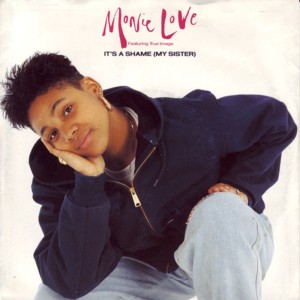
When you listen to Monie Love’s “It’s a Shame (My Sister)” you’ll hear quotes of The Spinners’ “It’s a Shame”. When you hear Sugarhill Gang’s “Rapper’s Delight” the whole rhythmic foundation is from Chic’s “Good Times.” We often call this sampling, but it’s also part of a formal process that’s centuries-old in African American music: signifyin(g).
Signifyin(g) is a process of purposeful quotation of familiar material that the performer/composer turns into something new. We didn’t get the word for this until Samuel A. Floyd in the late twentieth century. Dr. Floyd was a musicologist who studied the relationships between music from the African continent and the diaspora. His book, The Power of Black Music, studies the musical elements of African music and how they were used in the development of other music genres in Black communities.
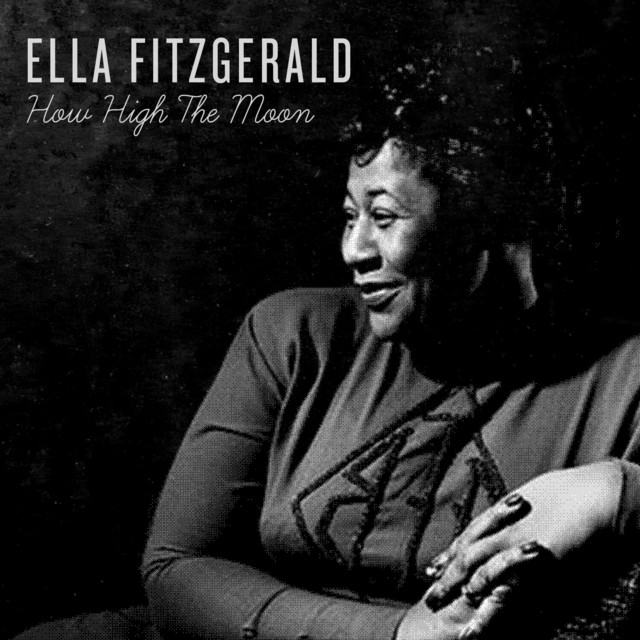
Floyd heard the whole genre of ragtime as signifyin(g) on classical music. You can hear it in Ella Fitzgerald’s 1960 performance of “How High the Moon,” where she signifies through 40+ songs; you can hear it in Eubie Blake’s “Poor Katie Redd,” where he slides in a bit of the famous friska section of Franz Liszt’s Hungarian Rhapsody No. 2; and a theme by William Grant Still, which he used as a warm up lick as a pit musician, became the basis of George and Ira Gershwin’s “I’ve Got Rhythm,” (1930) and a motivic base for Still’s own scherzo movement from his Symphony No. 1 “Afro-American” (1931).
When you listen to the first movement of Florence Price’s Violin Concerto No. 1 in D major (1939), you’ll hear several moments from the first movement of Tchaikovsky’s violin concerto (1878). Sometimes it’s trills, sometimes it’s Price starting a solo on the same two notes; sometimes she references similar rhythmic patterns! See how many you can identify.
As a process descended from African methods of quotation, signifyin(g) purposefully references what the listener knows and turns it on its head. When you listen to a piece of music and the source from which they’re signifyin(g), you are entering a musical conversation. They can be a direct response to the older song or add context and meaning that is created through the act of signifyin(g) itself. Almost like you’re going to the past and the present at the same time!
What are some other examples of signifyin(g) that you hear in the music you listen to? If you could signify on a piece of music, what would you pick?


