I like to think of art songs and concert spirituals as mini operas, as they are vocal pieces that tell a dramatic, emotional story. It can be a narrative; a window into a person’s mind; a description of something or someone; or a little of all three.
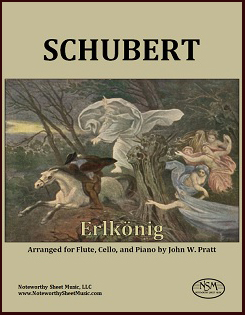
Franz Schubert’s Der Erlkönig (1815) is told from four perspectives: the narrator, the father, the son, and the Earl King. The repetitive triplet figure in the piano is the main motive, urgent and desperate. The father is racing against time, cradling his sick child. But there is someone else on the road: the Earl King. And he wants to take the child away.
Robert Schumann’s Dichterliebe (1840) is an example of a song cycle, a collection of songs meant to be performed or published as a set. “Dichterliebe” contains 16 lieder, engaging with the positive and negative of falling in love. The first lied, “Im wunderschönen Moat Mai” (“In Beautiful May”), is one of the most popular from this cycle. Its melody is lyrical and aching, calling for a rich timbre from the vocalist and pianist.
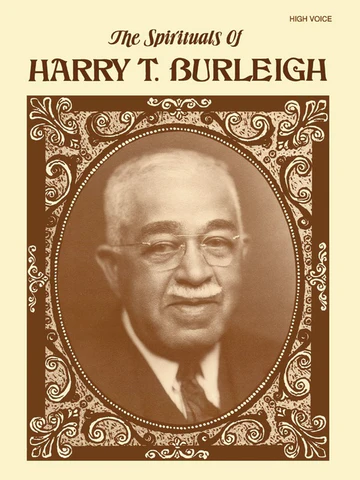
Harry T. Burleigh’s concert spiritual Deep River (1916-17) expresses enslaved peoples’ desire to escape bondage. Burleigh created three versions of the work. Word painting, a technique where musical figures enhance or contrast with the text, is essential here. “Deep River” is set in a low register and opens with downward figures, expressing the deepness of the water. The last version features less harmonic complexity to center the vocal line and remind listeners that this work developed in an oral tradition.
Florence B. Price completed her song cycle, Four Songs from “The Weary Blues,” in 1941. Each song is set to a poem from Langston Hughes’ “The Weary Blues” (1926), and the most popular of the cycle is her Songs to the Dark Virgin Price dedicated the song to her eldest daughter, Florence Louise. Each stanza is a setting of the three poems (the “songs” of Hughes’ original). Price sets the vocal line low; with each stanza, the vocalist climbs higher, reaching a glimmering high point by the end. The narrator wishes to protect the Dark Virgin: reflecting their brilliance, wrapping them in a garment to hide them; and finally immersing them in the [holy] fire.

These are just a little taste of the story-telling power of concert spirituals and art songs. Dive in and enjoy!